Türkçe
A total of 2,188 vascular plant taxa have been identified in the İzmir province, 177 of which have been determined to be endemic. Field studies have identified 1,245 taxa.
According to a literature review on mammals, 42 terrestrial mammal species have been identified in the area. 29 of these 42 species have been identified; 8 of these were determined through surveys and 21 through field observations.
For birds, literature reviews and field studies have identified a total of 277 species from 51 families, 205 of which have been observed in the field.
Species Name
Endemism Status
Explanation
Picture
Campanula mugeana
Locally Endemic
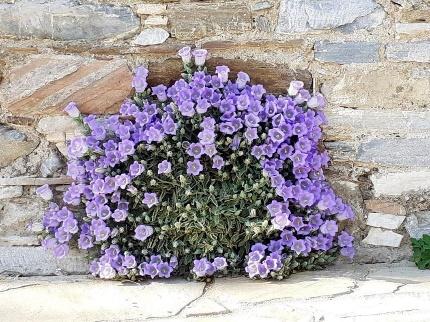
Campanula mugeana (Lily of the Valley) was first discovered in 2013 on the rocky outcrops below the summit of Mahmut Mountain in Kemalpaşa. The genetic center of the Campanula genus is the mountainous areas of the Mediterranean and Caucasus regions. Campanula is represented in our country by 131 species and subspecies (including subspecies and varieties), 64 of which are endemic. The endemism rate is approximately 54.7%. This area is the only known distribution point of Campanula mugeana in the world.
Campanula teucrioides
Locally Endemic
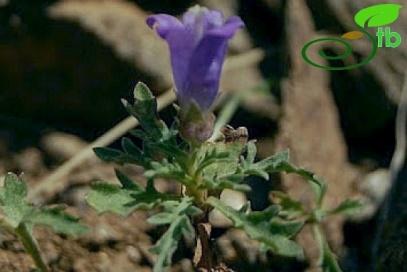
Campanula teucrioides (Bozdağ bellflower) was first discovered in 1844 on the rocky outcrops of Bozdağ, Ödemiş. Campanula L. has approximately 420 species worldwide. The genetic center of the Campanula genus is the mountainous areas of the Mediterranean and Caucasus regions. In Turkey, Campanula is represented by 131 species and subspecies (including subspecies and varieties), 64 of which are endemic, with an endemism rate of approximately 54.7%. Bozdağ is the only known distribution area of Campanula teucrioides in the world.
Cytisus orientalis
Endemic
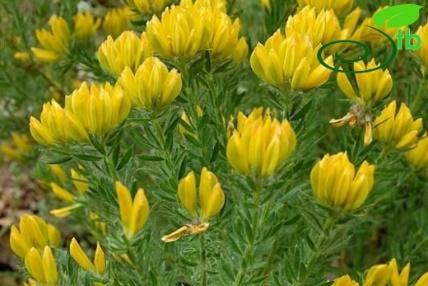
Cytisus orientalis (Oriental clover) was first discovered in 1812 in the foothills of the Bozdağ Mountains in İzmir, Tire, and Aydın. It has since been identified in İzmir (Ödemiş/Bozdağ), Kemalpaşa (Mahmut Dağı), and Ula district of Muğla province. There are 19 known species of the Cytisus genus in Turkey, 6 of which are endemic. The species has attracted attention due to its showy flowers and large shrub form. The population, particularly in the Tire region, has suffered significant damage due to land clearing for agriculture.
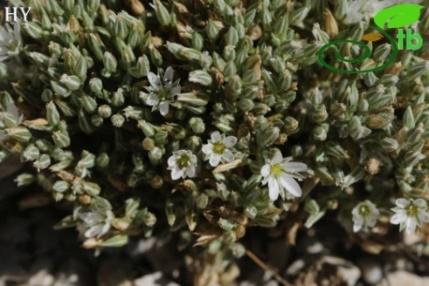
Minuartia nifensis
Locally Endemic
Minuartia nifensis was first described in 1969 from Nif Mountain in Kemalpaşa, İzmir. The genus Minuartia has 39 species in Turkey, making it a highly endemic genus. The species, found in two metapopulations on the summit of Nif Mountain in Kemalpaşa district of İzmir province, has an estimated distribution area of 1.2 km² and a population of approximately 3300 individuals.
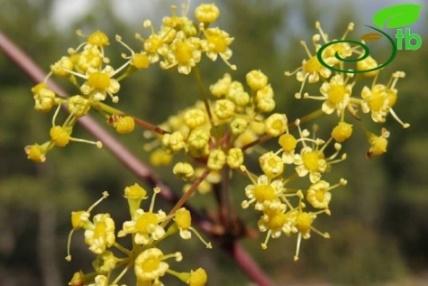
Peucedanum guvenianum
Endemic
Peucedanum guvenianum (Efe fennel) was discovered in 2017 in İzmir province, on the Menderes-Gümüldür road, near the Tahtalı Dam. Peucedanum is a heterogeneous genus represented by around 100-120 species, distributed mainly in Eurasia and Africa. In Turkey, there are 17 species and 18 taxa belonging to the genus Peucedanum, 7 of which are endemic. It was emphasized that it was represented by approximately 500 individuals when it was first discovered.
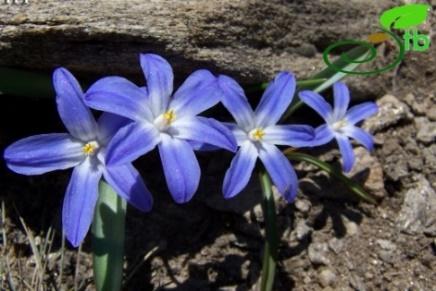
Chionodoxa luciliae
Scilla luciliae
Locally Endemic
Scilla luciliae (Bozdağ hyacinth) was first discovered in 1844 in Ödemiş, Bozdağ, on rocky soils. The genus Chionodoxa has a total of 8 species worldwide. Five of these are found in Turkey, and all are endemic. The endemism rate of the genus in Turkey is 100%. While the distribution of Chionodoxa luciliae was previously known only in Bozdağ, it was also identified in the mountainous area around Ovacık neighborhood of Ödemiş, İzmir, in the Aydın Mountains during a biodiversity study. Its only known distribution point in the world is Bozdağ, which includes the Ödemiş district and Ovacık.
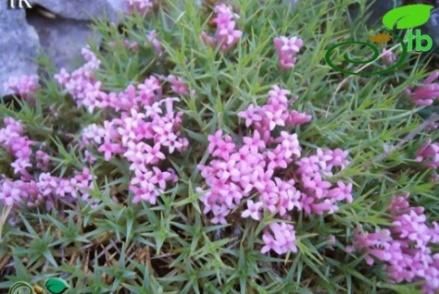
Asperula daphneola
Locally Endemic
Asperula daphneola was discovered and introduced to the scientific world by O. Schwarz in 1934 on Mount Nif in Kemalpaşa, İzmir province. Until now, A. daphneola, a locally endemic species known only from Mount Nif within the borders of İzmir province, has a second locality on Mount Mahmut, a very close neighboring mountain.
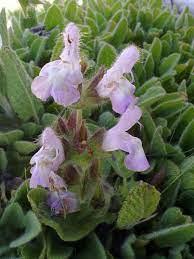
Salvia smyrnaea
Locally Endemic
Its distribution area has narrowed considerably, and there are only two populations in Turkey: one on Gümüş Mountain in Aydın and the other on Nif Mountain in Kemalpaşa, İzmir. The survival of these populations is severely threatened by human activities, erosion, and grazing. Recent findings indicate that the population on Gümüş Mountain has disappeared. Some interesting morphological variations have been observed among the Nif populations of Salvia smyrnaea.
Allium
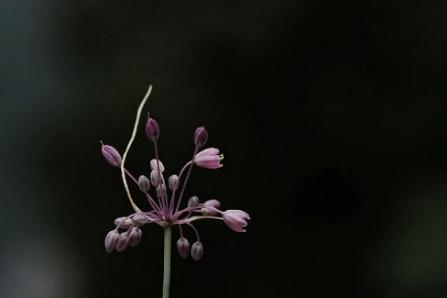
pictistamineum
Endemic
In 2015, as part of the Ministry of Agriculture and Forestry’s Project for Determining Terrestrial Biological Diversity in Izmir Province, a field study conducted at the westernmost tip of the Aydın Mountains, within the borders of Tire district, identified a plant species that stood out for its distinctiveness.
Jasione supina
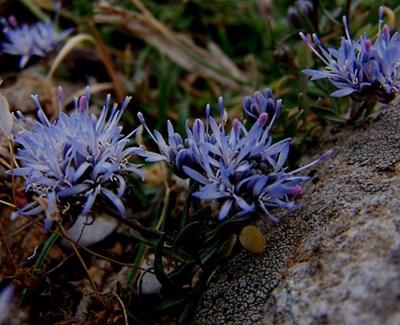
subsp. tmolea
Locally Endemic
It is a local endemic species unique to Bozdağ. In Bozdağ, it is subjected to very serious habitat destruction due to overgrazing, improper afforestation, tourism activities, and road construction works. Eroğlu (2011) determined the number of individuals of the species as 4296 in his master’s thesis.
Hieracium tmoleum
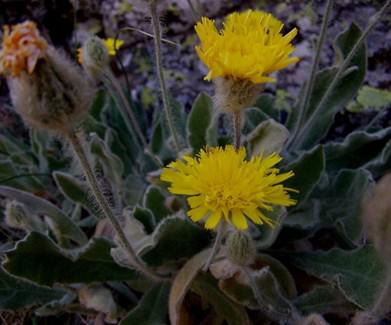
Locally Endemic
They take their name from Tmolos, the mythological name of Bozdağ. They are few in number and distributed over a very small area. They have suffered significant habitat loss due to afforestation efforts in Bozdağ. Furthermore, they have experienced a very intense habitat loss due to the ski resort built in Bozdağ. Their habitat areas have been greatly reduced. Sideritis tmolea is generally collected by the local people for use as herbal tea (Şenol, 2012). While some of the collected plants are used for their own needs, some are sold for economic reasons.
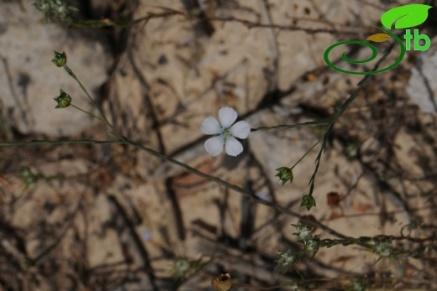
Linum tmoleum
Locally Endemic
They take their name from Tmolos, the mythological name of Bozdağ. They are few in number and distributed over a very small area. They have suffered significant habitat loss due to afforestation efforts in Bozdağ. Furthermore, they have experienced a very intense habitat loss due to the ski resort built in Bozdağ. Their habitat areas have been greatly reduced. Sideritis tmolea is generally collected by the local people for use as herbal tea (Şenol, 2012). While some of the collected plants are used for their own needs, some are sold for economic reasons.
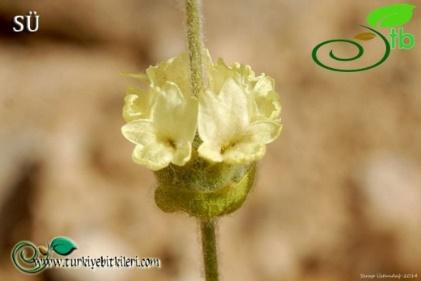
Sideritis tmolea
Locally Endemic
They take their name from Tmolos, the mythological name of Bozdağ. They are few in number and distributed over a very small area. They have suffered significant habitat loss due to afforestation efforts in Bozdağ. Furthermore, they have experienced a very intense habitat loss due to the ski resort built in Bozdağ. Their habitat areas have been greatly reduced. Sideritis tmolea is generally collected by the local people for use as herbal tea (Şenol, 2012). While some of the collected plants are used for their own needs, some are sold for economic reasons.
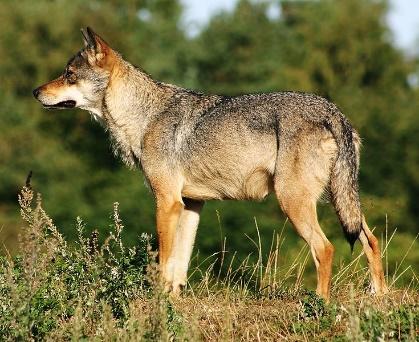
Canis lupus
Not endemic
Their populations in Western Anatolia are weak. They are particularly endangered due to wolf-human conflict.
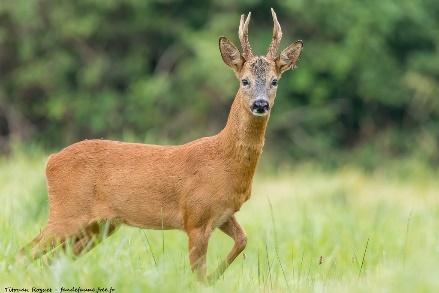
Capreolus capreolus
Not endemic
They prefer areas where agricultural lands are intertwined with forests, deciduous woodlands and coppice forests with abundant meadows and open spaces.
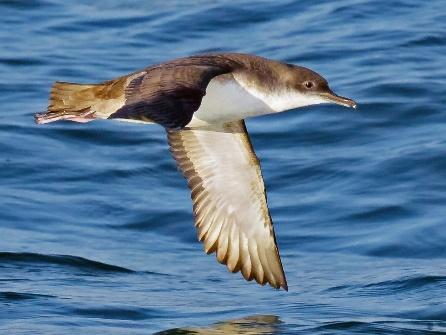
Puffinus yelkouan
Not endemic
It is endangered.
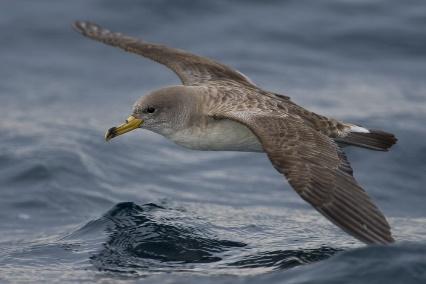
Calonectris diomedea
Not endemic
It is in the group of least concern.
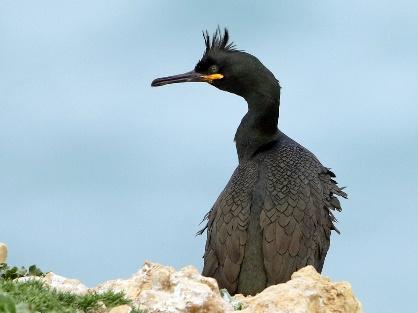
Phalacrocorax aristotelis
Not endemic
It is in the group of least concern.
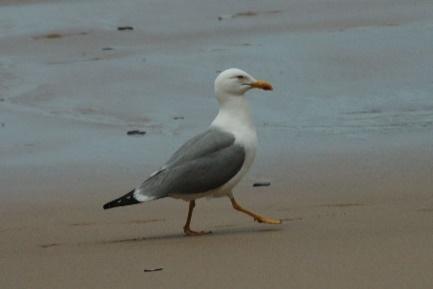
Larus cachinnans
Not endemic
It is in the group of least concern.
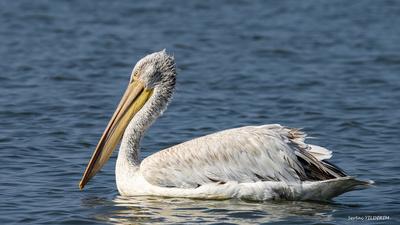
Pelecanus crispus
Not endemic
It can be seen in the Gulf or among fishing boats in the Bostanlı and Mavişehir fishing harbors. It is classified as least concern.
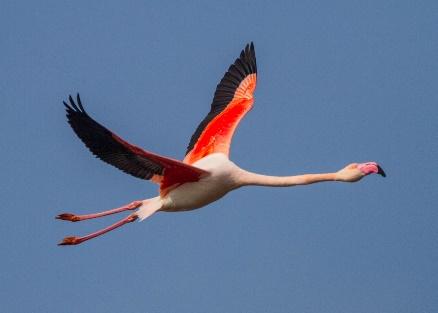
Phoenicopterus
roeus
Not endemic
Because the Gediz Delta is an important breeding and wintering area for flamingos, it is possible to see flocks of flamingos flying anywhere along the İzmir coast. During the winter, species such as coots, black-headed gulls, flamingos, and grebes are common at the mouths of the streams flowing into the sea from the Bayraklı coast and further into the Meles Delta.
Monachus
monachus
Not endemic
The Foça coastline and its islands, the Karaburun Peninsula, and the areas between Alaçatı and Sığacık, all with their pristine and particularly rocky shores along the İzmir coastline, are important refuges for the Mediterranean monk seal. It is classified as critically endangered.

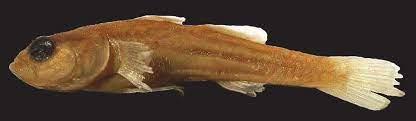
Knipowitschia
ephesi
Not endemic
Its distribution area worldwide is limited to the Küçük Menderes Delta and river basin. It is classified as critically endangered.
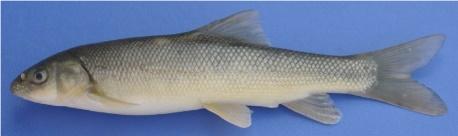
Capoeta bergamae
Endemic
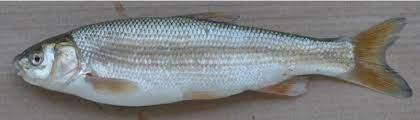
This is a species of freshwater carp endemic to Türkiye. The species is also known as the Aegean scraper. It is commonly found in Western Anatolia, inhabiting rivers stretching from the Bakacak River south of the Biga Peninsula to the Dalaman River. It is threatened by habitat loss due to significant pollution and water depletion in rivers and streams.
Squalius kosswigi
Endemic
It is a species with a very narrow distribution, found only within the Küçük Menderes and Tahtalı Basins in the İzmir region. It is endangered.
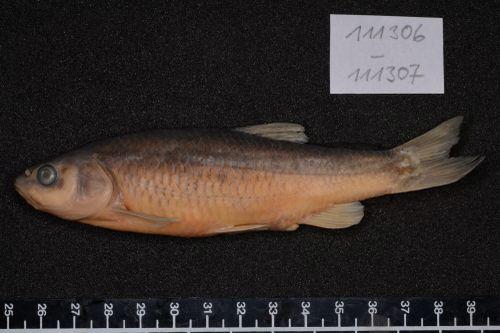
Chondrostoma
holmwoodii
Locally Endemic
It is a narrowly distributed freshwater fish species endemic only to the Gediz, Bakırçay, and Küçük Menderes Basins. It is classified as vulnerable.